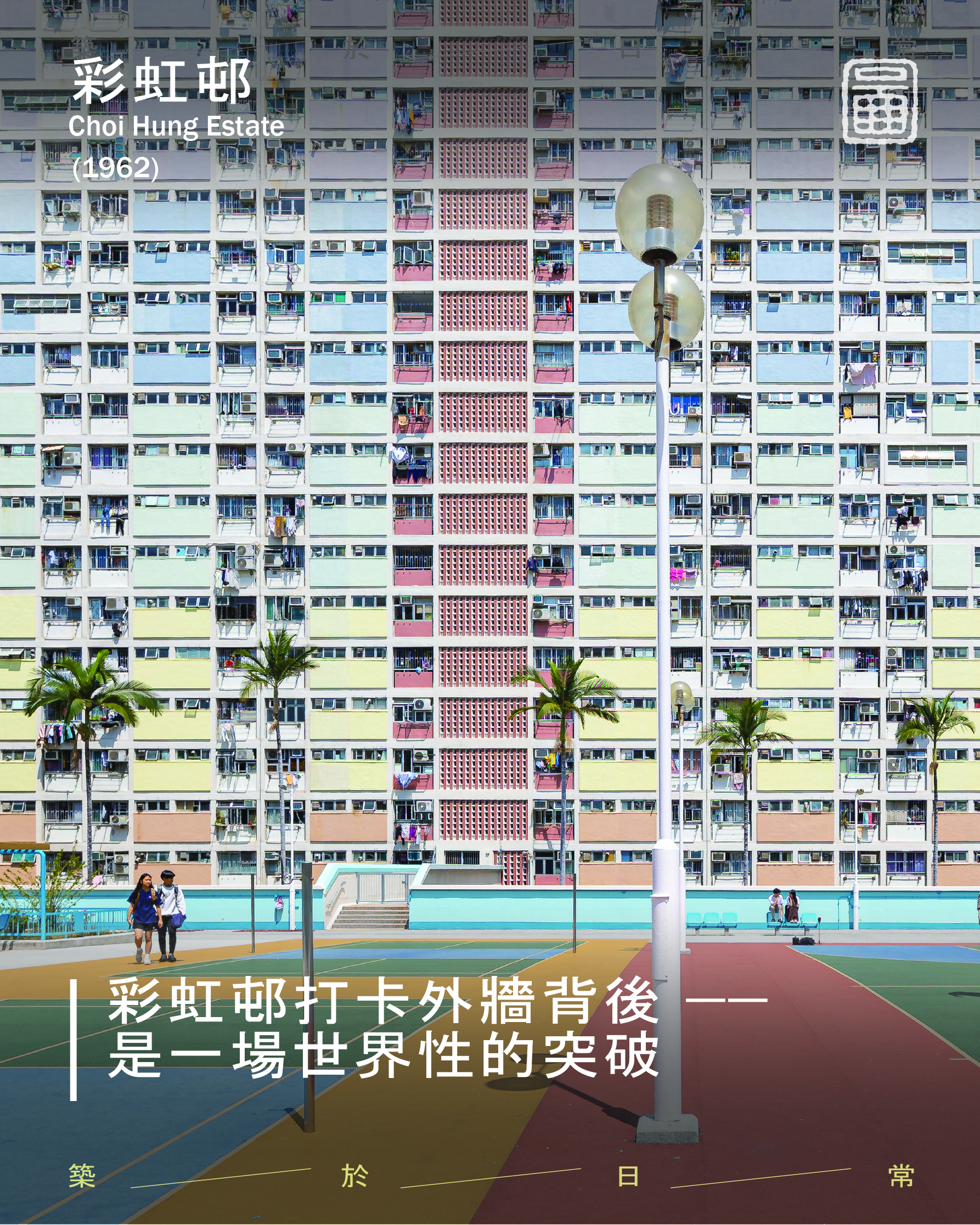

Beyond the Iconic Façade of Choi Hung Estate — A Global Breakthrough
Date: 31 December 2025
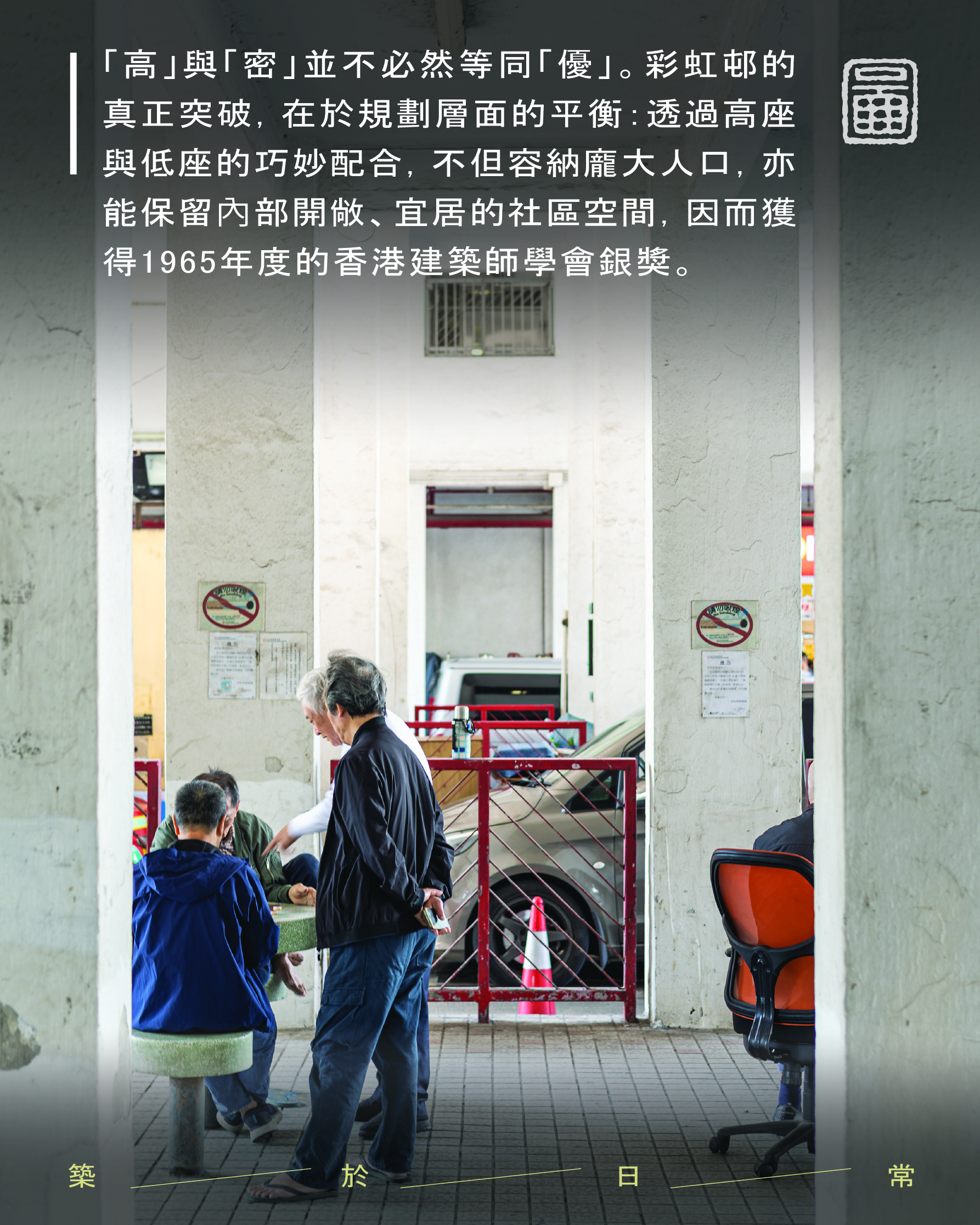
Choi Hung Estate, built between 1962 and 1964, was designed by Palmer & Turner, one of Hong Kong’s oldest architectural practices, with Ar. Ian Campbell and Ar. Dick N Pang as project architects. Its planning approach echoed the “Radiant City” ideals of international modernism, bearing similarities to London’s Hallfield Estate, yet was distinctly adapted to Hong Kong’s unique conditions — extreme density, subtropical climate, and pressing social needs.
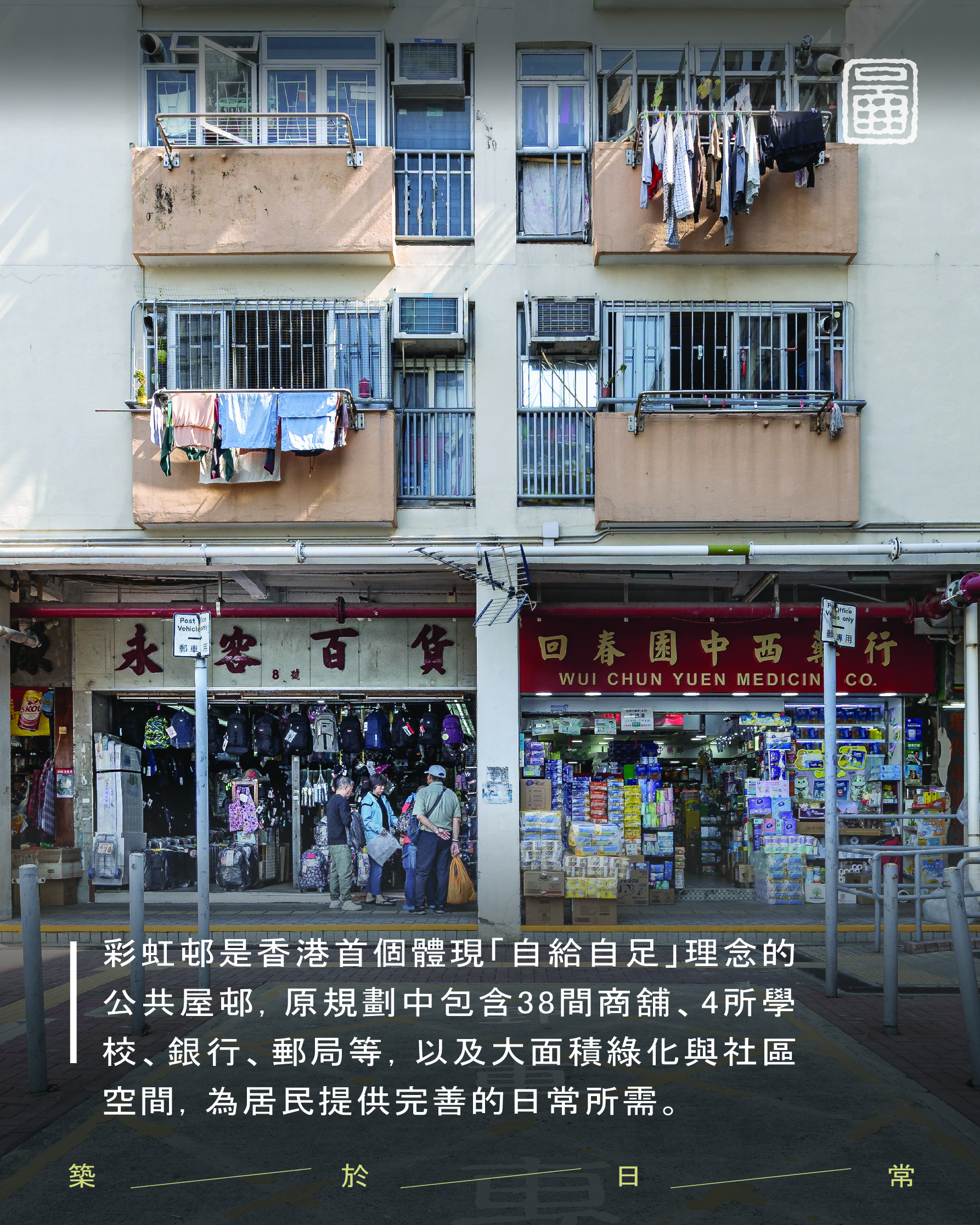
It was also Hong Kong’s first public housing estate to embody the concept of self-contained community. Within its master plan were 38 shops, 4 schools, a bank, a post office, extensive greenery, and community facilities — creating a complete environment for daily life.
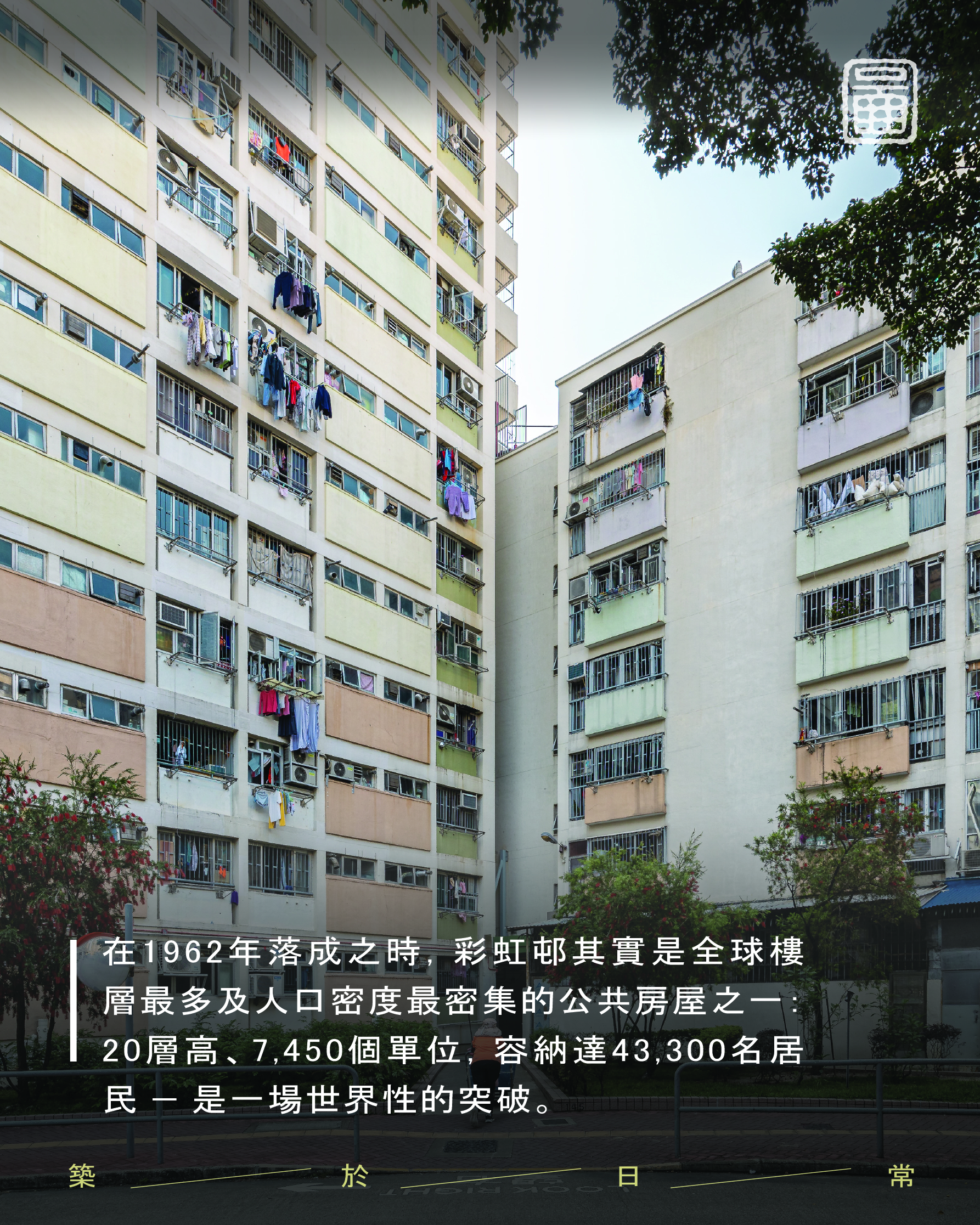
Viewed today, Choi Hung Estate may appear relatively “low-density” by contemporary public housing standards. Yet at the time of its completion in 1962, it was among the tallest and most densely populated public housing developments in the world: 20 storeys high, 7,450 flats, and home to 43,300 residents. Global comparisons from that era include the Tidey Street / Lincoln Estate in East London (19 storeys, completed 1962) and Glasgow’s Hutchesontown (20 storeys, also completed 1962), which reached similar heights but fell short in scale.
Text and Photography: @kongcept852 (Commissioned by HKIA)